

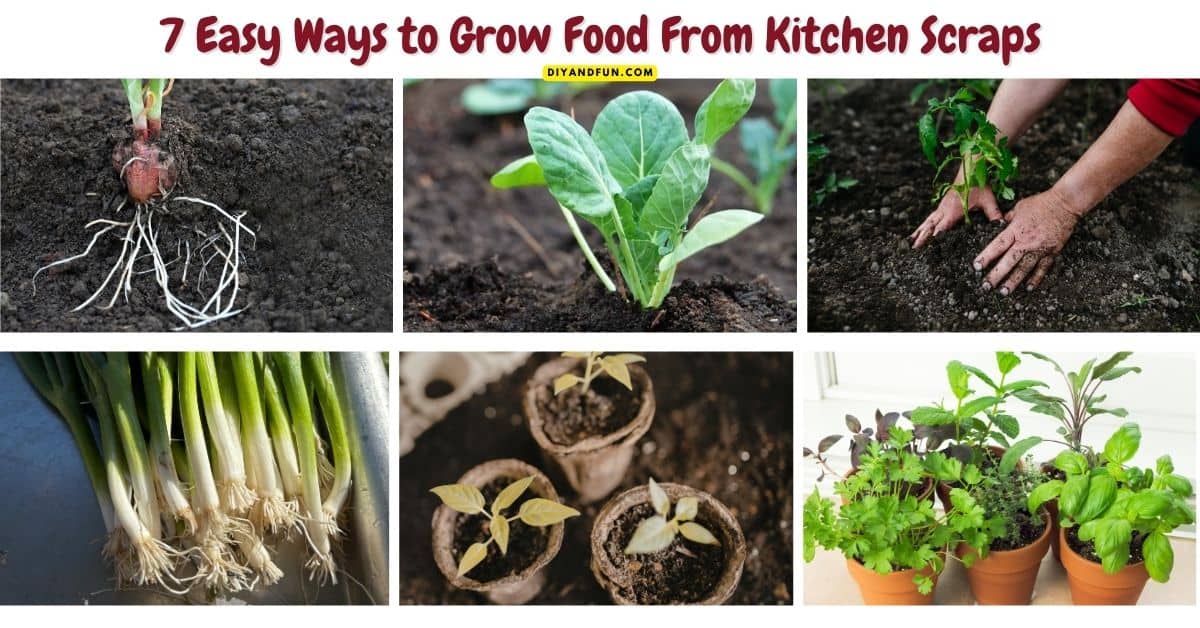
These 7 Easy Ways to Grow Food From Kitchen Scraps make it even easier to not waste money and food.
Those unused parts of your fruit and vegetable, such as seeds and roots, can be easily used to create a functioning garden with little effort can save you some money while providing your with fresh food from a garden.
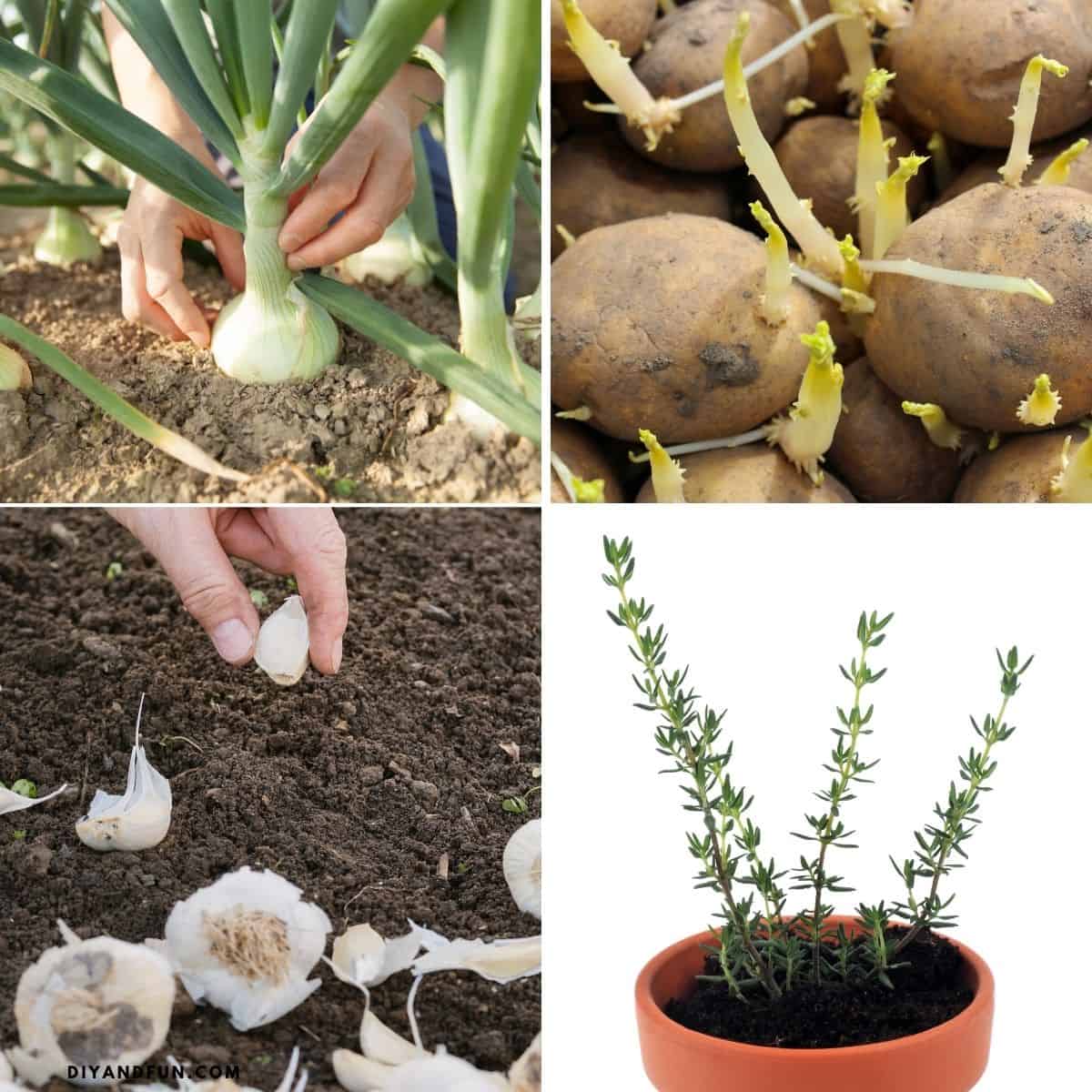
Table of contents
- 🌿Why You Should Grow Food From Kitchen Scraps
- 1. How to regrow Green Onions From Scraps
- 2. How to Regrow Lettuce and Celery From the Base
- 3. Save Seeds From Tomatoes and Peppers
- 4. Grow Herbs From Stem Cuttings
- 5. Replant Sprouting Garlic Cloves
- 6. Grow Potatoes From Eyes
- 7. How to reused kitchen items in your garden.
- 👉Tips for Growing Food From Kitchen Scraps
🌿Why You Should Grow Food From Kitchen Scraps
Growing food from kitchen scraps is an easy DIY project that is both practical sustainable.
Here is what else we like about doing this.
- You can save a lot of gardening money when you do not have to purchase seeds.
- The garden can be a large area in your yard or in a simple container on your deck.
- You know exactly what in in the soil when you plant your own garden.
- 'Re-using' food that you already enjoy eating means that you will be planting food that you will actually harvest and enjoy again.
- Lastly, you are reducing kitchen waste.
Why Growing Food From Scraps Works
The reason you can regrow vegetables from scraps is simple: many plant parts are still alive and capable of growth.
Roots, stems, and seeds are designed to reproduce. When you provide the right conditions—water, sunlight, and soil—they can restart the growing process.
- Green onions and celery regrow because their root systems remain active.
- Herbs like basil can grow new roots from cut stems.
- Seeds from tomatoes and peppers are naturally meant to grow into new plants.
1. How to regrow Green Onions From Scraps
Green onions are one of the easiest vegetables to regrow at home.
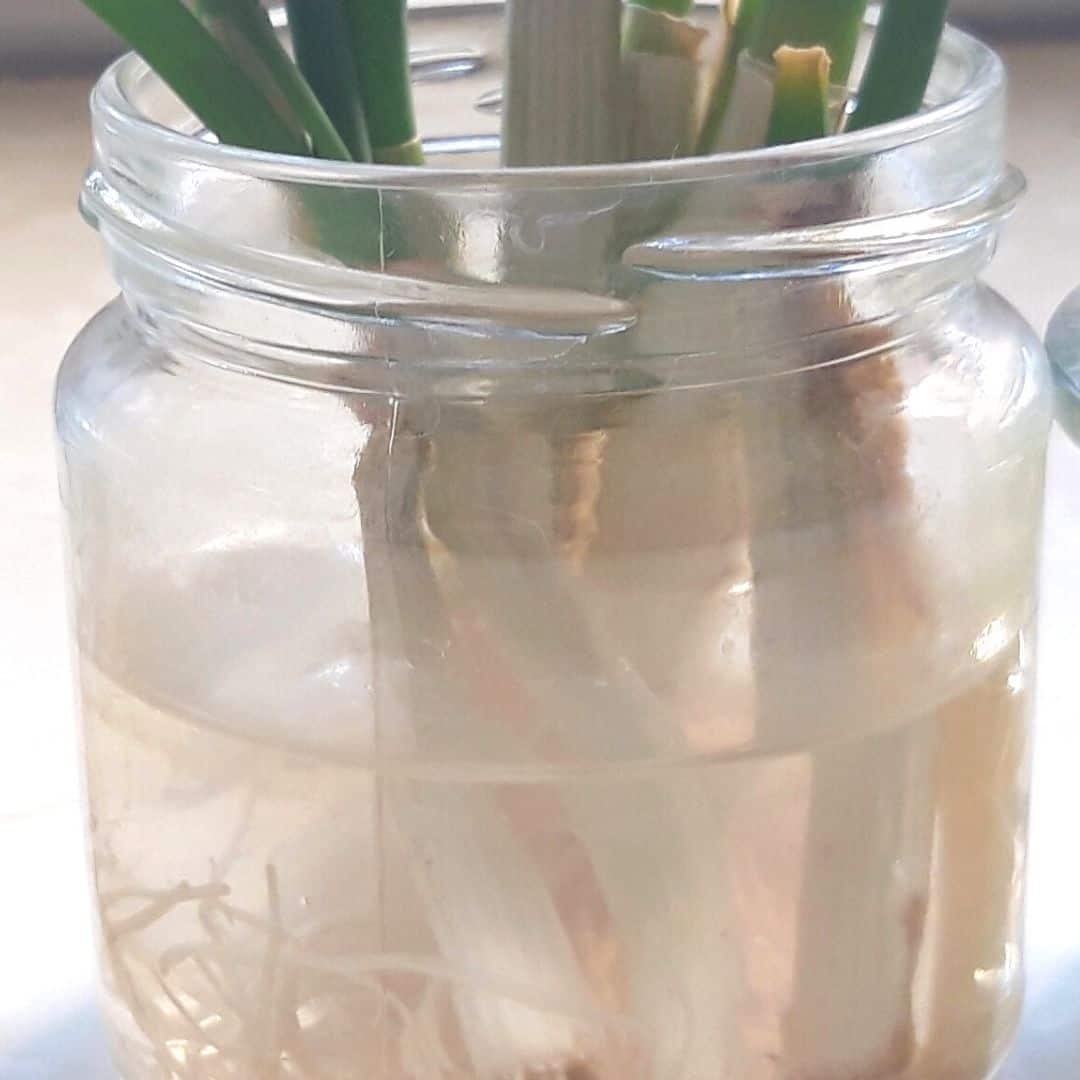
Cut the onions about an inch above the white ends (roots). Place the cut onions root-side down in a small jar or glass with just enough water to cover the root system. Keep the container in a sunny spot, such as a windowsill. You will need to change the water every couple of days to keep it fresh and prevent rot. Within a few days, you will notice new green shoots emerging from the center; once they reach a height of four to six inches, you can either harvest the tops for cooking or transplant them into a pot with well-draining soil for more robust, long-term growth.
You can trim and reuse the green onions several times, making this one of the best ways to start regrowing vegetables from kitchen scraps.
2. How to Regrow Lettuce and Celery From the Base
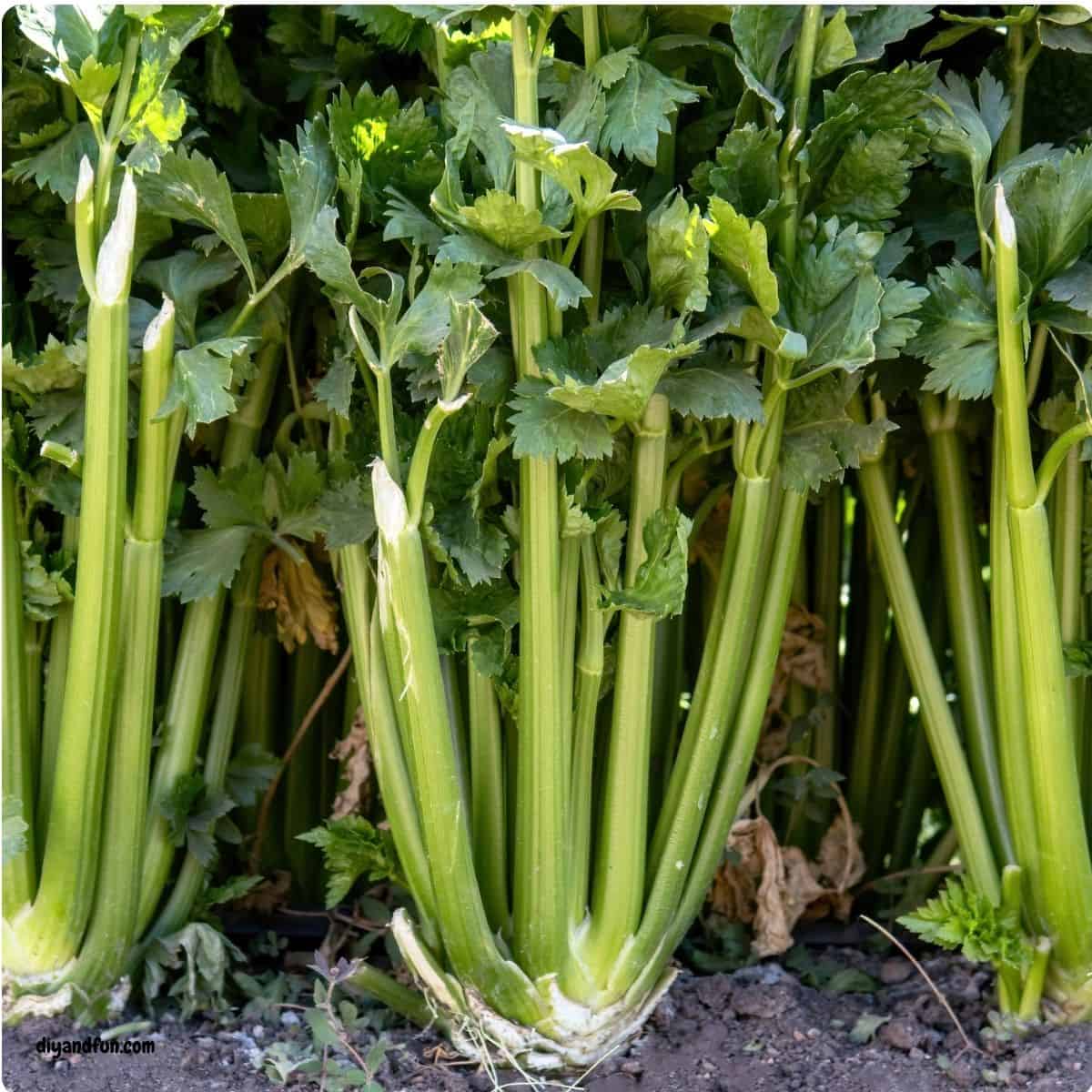
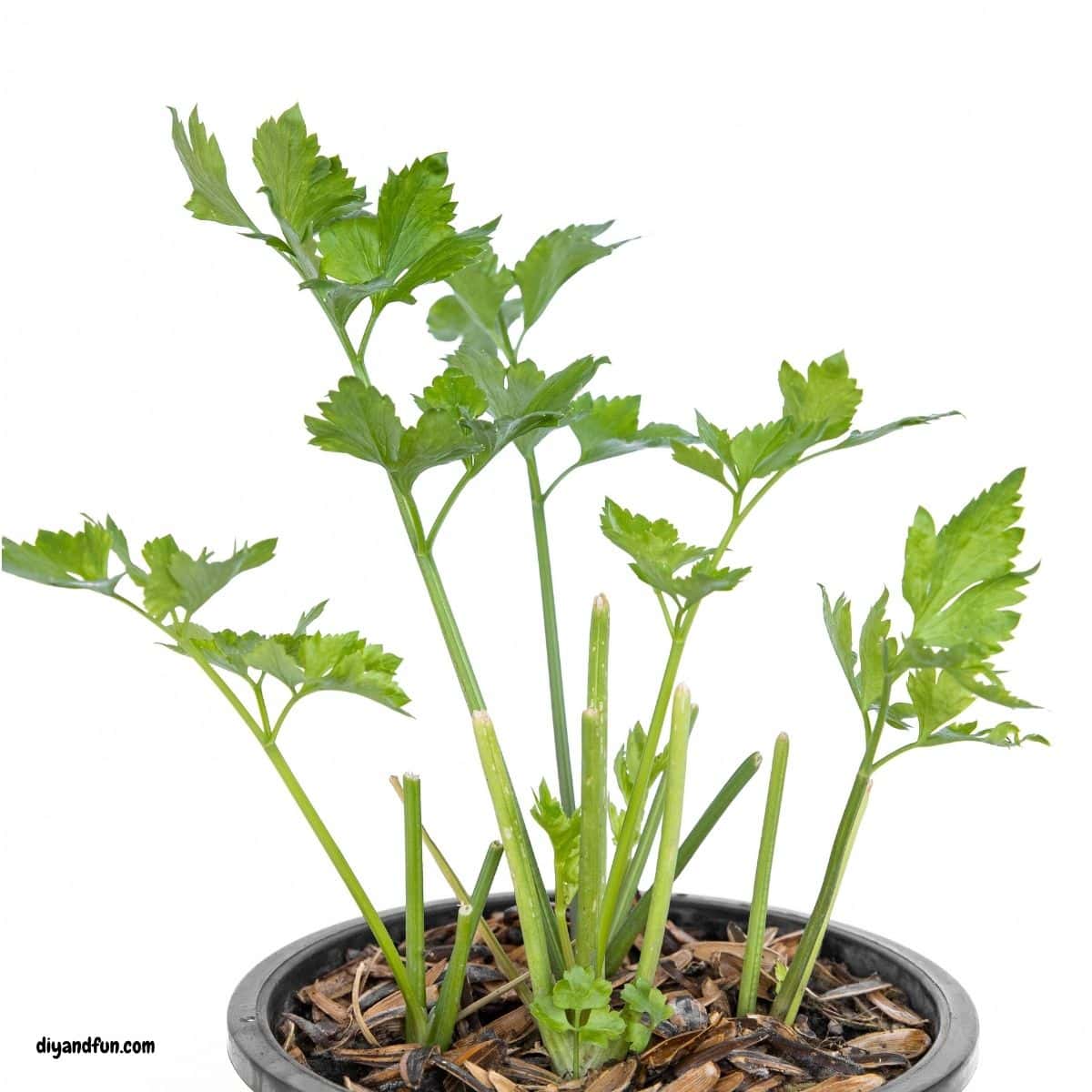
Instead of throwing away the base of lettuce or celery, place it in a shallow dish with water. You can cut the stalks about two inches above the base if needed. Place the remaining bottom heart into a shallow bowl or jar containing about an inch of water. Position the container in a bright spot with indirect sunlight, ensuring the water is changed every day or two to keep the base hydrated and free of slime.
Within a week, you should see new, small leaves emerging from the center of the base and tiny roots beginning to sprout from the bottom. Once the new growth is established and roots have appeared, you can transplant the base into a pot with moist, well-draining soil to allow the plant to continue maturing into a full-sized vegetable.
While these may not grow into full heads, they are still perfect for small harvests and a great introduction to growing food from scraps.
3. Save Seeds From Tomatoes and Peppers
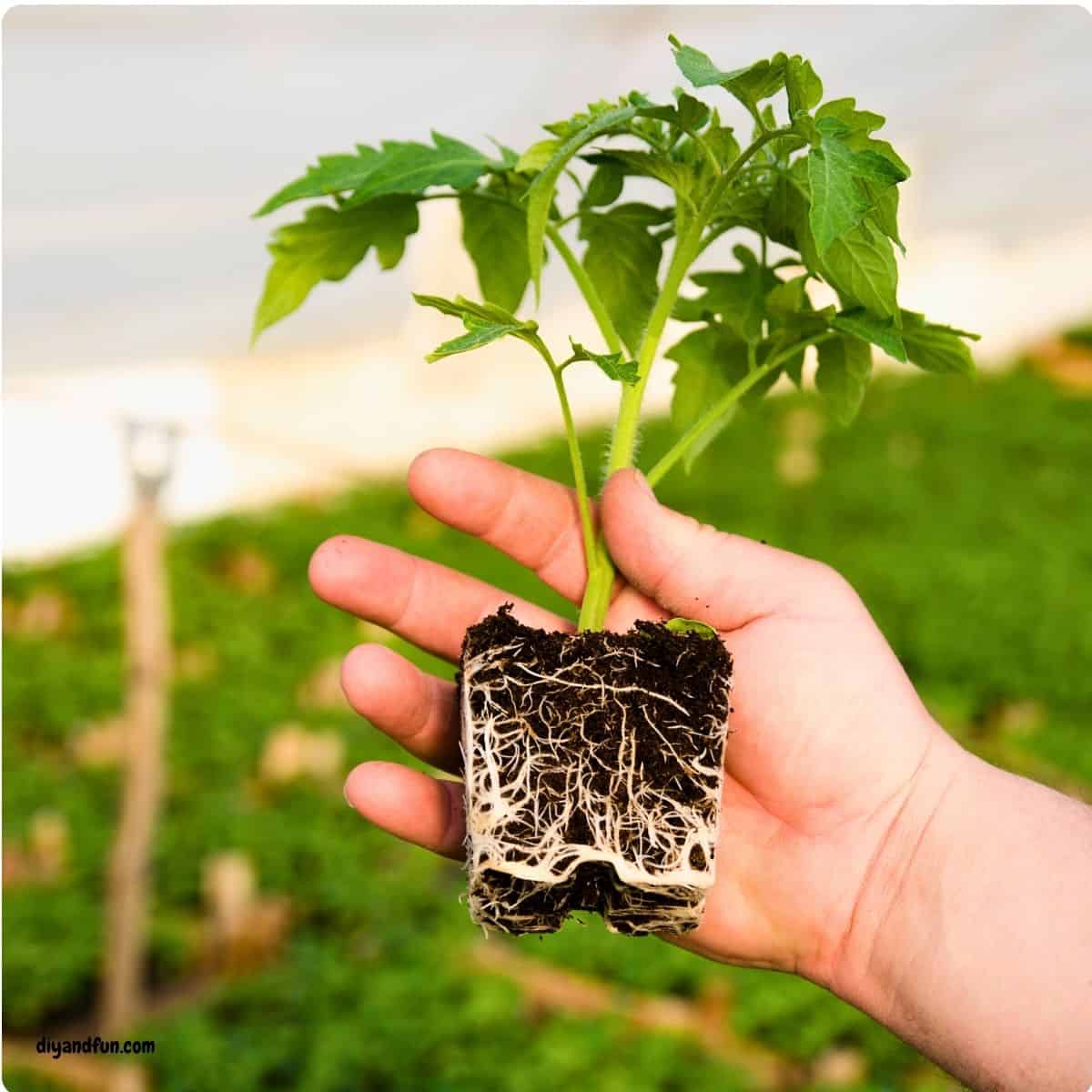
One of my favorite and one of the easiest ways to start a DIY garden is to save seeds from vegetables you already buy. To save seeds from tomatoes and peppers, you must first ensure the fruit is fully ripe, as under-ripe produce often contains immature seeds that will not germinate properly.
For peppers, carefully cut the fruit open, use a spoon to scrape the seeds onto a paper towel, and then let the seeds air-dry in a cool, dark place for about a week until they are brittle.
Tomatoes require a slightly more involved fermentation process to remove the gelatinous coating that may inhibit germination. Once the viable seeds have sunk to the bottom, rinse them thoroughly in a fine-mesh strainer and spread them out on a non-stick surface, like a glass plate or coffee filter, to dry completely before storing them in an airtight container.
Tomatoes and peppers are perfect for beginners.
- Remove seeds from the fruit.
- Rinse off any pulp. If there are a lot of seeds and pulp, you can squeeze the seeds and pulp into a small jar with a little water and let them sit for two to four days until a layer of mold forms and then rinse.
- Let the seeds dry completely.
- Store in a cool, dry place.
Once dried, these seeds can be planted in containers or your garden. Not every seed will grow, but it is a free and simple way to begin growing vegetables at home.
Subscribe to DIYandFun
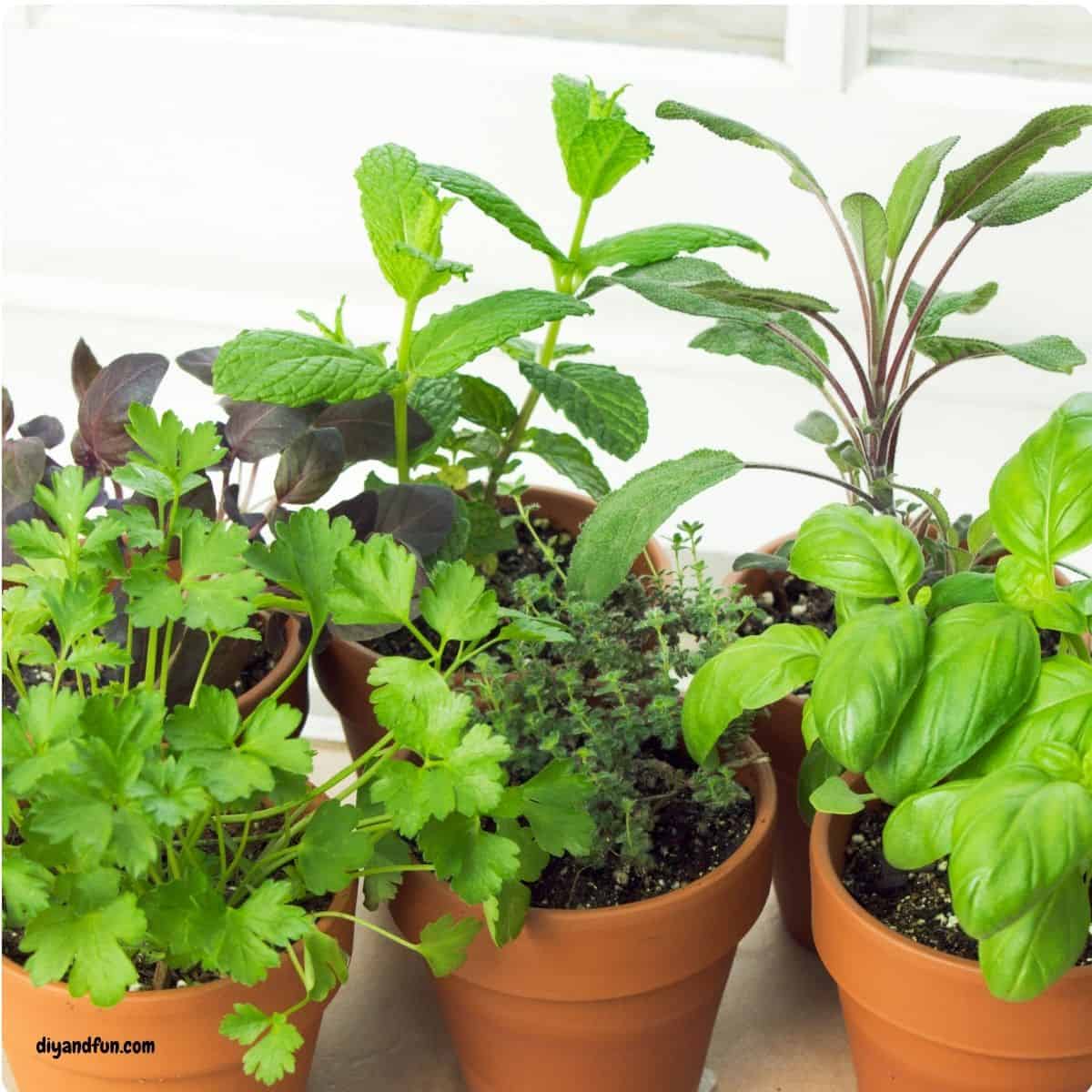
4. Grow Herbs From Stem Cuttings
Many herbs can be regrown from cuttings, making them ideal for a DIY kitchen garden. Growing herbs from stem cuttings is an efficient way to propagate new plants like basil, mint, or rosemary using healthy, non-flowering stems from an established plant.
- Begin by cutting a four- to six-inch section of a stem just below a leaf node, then strip away the leaves from the bottom two inches to prevent them from rotting.
- Place the bare stem into a glass of filtered water or directly into a pot of moist, seed-starting soil, ensuring that at least one set of nodes is submerged or buried where new roots will eventually sprout.
- Keep the cuttings in a warm spot with bright, indirect light, and if using water, refresh it every few days until roots reach about an inch in length, at which point they are ready to be transplanted into a permanent container to continue growing.
- After one to two weeks, roots will begin to form. Once rooted, you can transfer the plant into soil.
Bonus: This method allows you to turn a single purchase into a longer-lasting herb supply.
5. Replant Sprouting Garlic Cloves
If your garlic starts to sprout, you do not need to throw it away—plant it. Here is how.
- To replant sprouting garlic, it is best to select individual cloves that have begun to show green shoots, ensuring they are firm and free of soft spots or mold.
- Dig a hole in well-draining soil about two to three inches deep.
- Place the clove into the hole with the pointed end—and the green sprout—facing upward toward the sky. For multiple cloves, you can space the cloves at least four to six inches apart. Then cover the cloves with soil so that only the very tip of the sprout is visible or just below the surface.
- The clove will first grow green shoots, known as garlic greens, which you can harvest and use in cooking.
- Water the area lightly to settle the soil around the clove and place the pot in a sunny location, as garlic requires consistent light and moderate moisture.
With time, it can also develop into a full garlic bulb, making this an easy way to grow food from kitchen scraps at home.
6. Grow Potatoes From Eyes
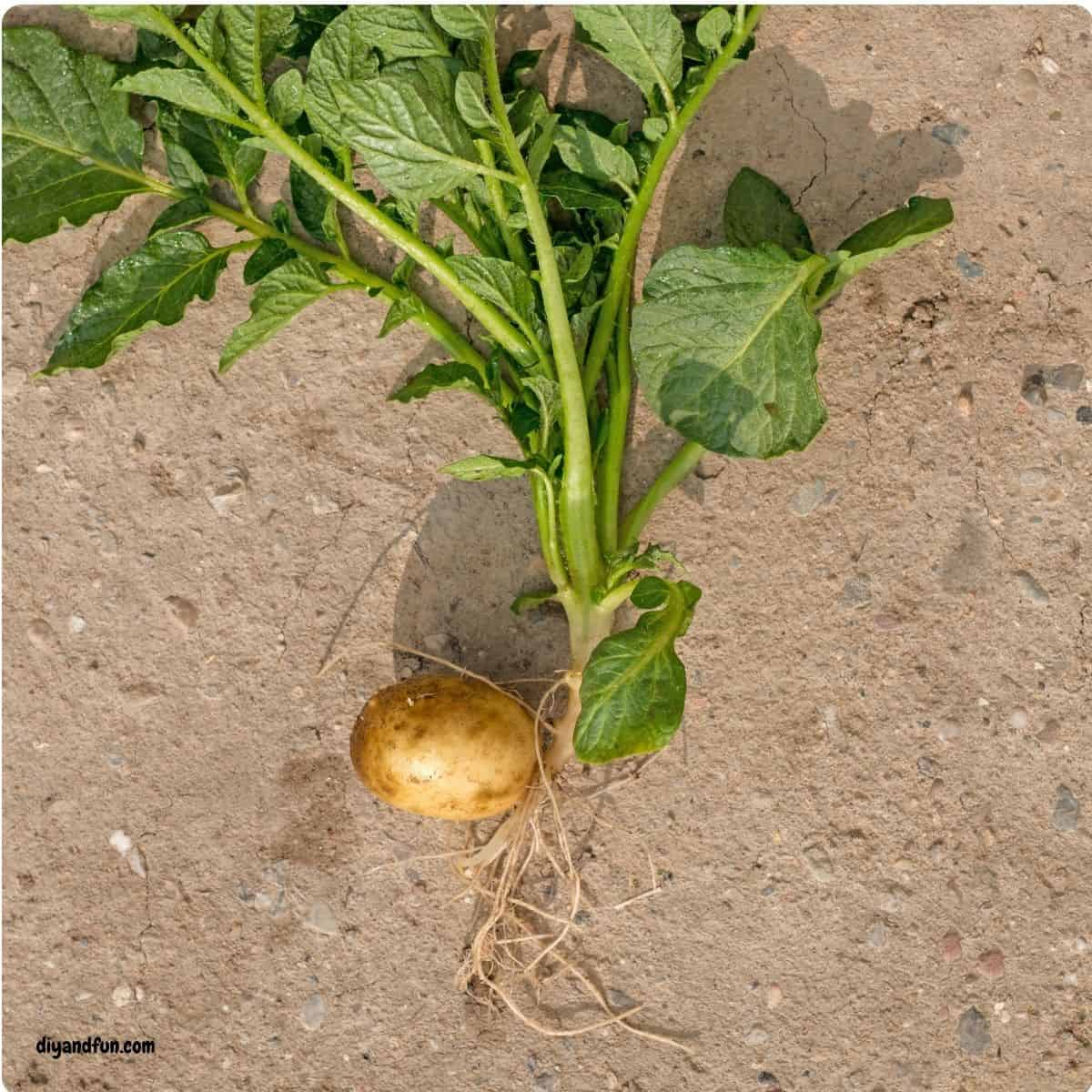
Potatoes naturally sprout small buds called “eyes.” These "eyes" can be used to grow new plants. Here is how.
Growing potatoes from "eyes" is an effective way to turn kitchen scraps into a full harvest by utilizing the dormant buds found on the skin of mature tubers.and After cutting,
- Start by selecting a firm potato that has begun to sprout.
- Cut the sprouting potato into chunks that are about two inches wide, ensuring that each chunk contains at least two healthy eyes.
- Allow the cut potato chunks to sit out at room temperature for a day or two to allow the cut surfaces to "callus" or dry over. This will help prevent the potato from rotting once it is in the ground.
- Plant the pieces about four inches deep in loose, nutrient-rich soil with the eyes facing upward, spacing them approximately one foot apart.
- As the green leafy stalks emerge and grow taller, continue to "hill" the potato plants by mounding extra soil or mulch around the base of the stems. This encourages the potato plants to produce more tubers underground.
- When the foliage yellows and dies back, the potatoes are ready to be harvested
7. How to reused kitchen items in your garden.
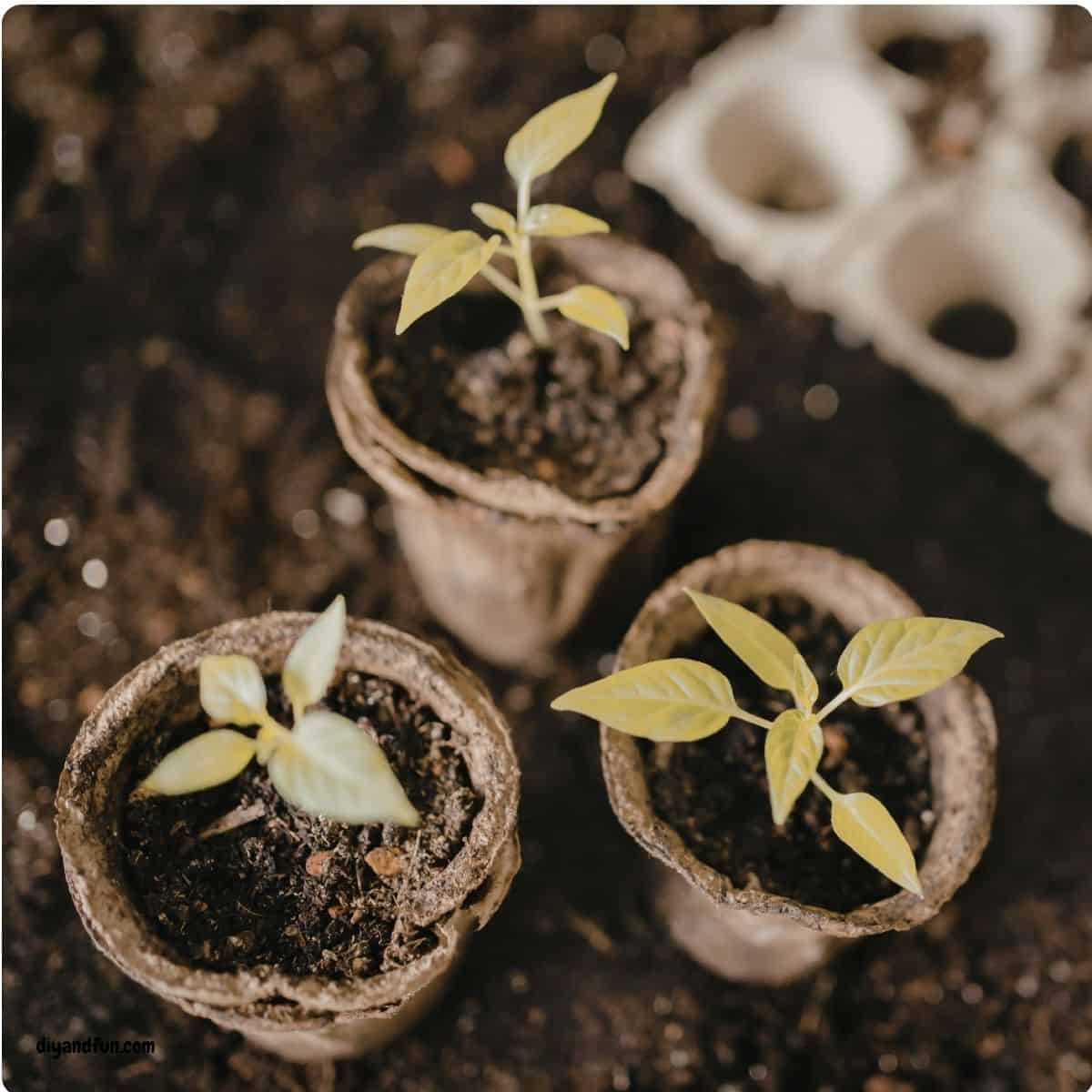
You do not need to spend a lot of money to start a garden.Common kitchen staples can easily be repurposed into effective gardening tools, helping you save money and reduce waste while tending to your plants.
- Empty egg cartons make excellent biodegradable seed starters. You can simply fill each cell with soil and a seed, and once the seedlings are established, you can cut the cardboard sections apart and plant them directly into the ground to minimize root shock.
- Something I love to do, reuse used coffee grounds. These are a nutrient-rich addition to a garden, as they can be sprinkled around the base of acid-loving plants like blueberries or roses to improve soil texture and provide a slow-release nitrogen boost.
- Jars or cans with drainage holes can be used for watering plants. You can use a plastic gallon milk jug as watering can by poking small holes in the cap .
👉Tips for Growing Food From Kitchen Scraps
- For best results, start with Quality Scraps. Choose firm, healthy-looking scraps. Avoid using any pieces that show signs of mold, rot, or significant wilting, as these are unlikely to thrive and could introduce bacteria to your growing environment.
- Refresh Your Water Frequently. For plants started in jars, like green onions or celery, change the water every 24 to 48 hours. Fresh water ensures the plant has plenty of oxygen and prevents the buildup of slime and odors that lead to root rot. Remember to keep soil moist but, not overwatered.
- Provide Ample Light. Most kitchen scraps need at least six hours of bright, indirect light to photosynthesize effectively. A south-facing windowsill is usually the best "nursery" for your new sprouts.
- Know when to Transition to Soil for Longevity. While many plants will sprout in water, they eventually need the nutrients found in soil to grow to full size. Once you see a robust root system (about an inch long), transplant your scraps into a pot with well-draining potting mix.
- Be patient—growth takes time. Sometimes growing food from scraps is slower than growing from nursery starts. Expect some trial and error.
Start with something small—like regrowing green onions or planting tomato seeds—and build from there. Once you see how easy it is to reuse what you already have, your kitchen becomes more than a place where food ends—it becomes where your garden begins.